
How Memory Care Communities Support Residents With Dementia Differently Than Assisted Living
30 seconds summary
- Memory care communities provide specialized support for individuals with dementia that goes beyond traditional assisted living. They offer trained staff, secure environments, and structured routines designed to enhance safety, comfort, and emotional well-being.
- Through person-centered dementia care, therapeutic activities, and family education, these communities focus on preserving dignity and quality of life.
- While assisted living supports general daily needs, memory care and dementia home care specifically address the unique cognitive and behavioral challenges of dementia, ensuring compassionate, personalized care at every stage.
Introduction
As the global population ages, the prevalence of Alzheimer’s disease and other forms of dementia continues to rise, creating an increasing demand for specialized senior care options. Families seeking support for loved ones with memory impairment are often faced with a difficult decision between traditional assisted living communities and dedicated memory care communities. While both types of facilities aim to provide safety, comfort, and quality of life for older adults, they differ significantly in their approaches, staff training, environmental design, and care philosophies.
This essay explores the distinctions between assisted living and memory care communities, focusing on how the latter are specifically structured to meet the cognitive, emotional, and behavioral needs of residents living with dementia. It also discusses the philosophy behind dementia care, the importance of tailored interventions, and how dementia home care can complement residential programs for individuals who prefer to remain in familiar surroundings.
Understanding Dementia and Its Care Needs
Before delving into the differences between care settings, it is important to understand what dementia entails. Dementia is not a single disease but a general term for a set of symptoms that affect memory, reasoning, language, and daily functioning. Alzheimer’s disease is the most common form, followed by vascular dementia, Lewy body dementia, and frontotemporal dementia. Regardless of the type, dementia is progressive, meaning that symptoms worsen over time.
As dementia progresses, individuals may experience confusion, disorientation, agitation, and changes in personality or behavior. Tasks that were once routine—such as dressing, eating, or managing medication, become increasingly difficult. Emotional and social challenges also arise, as communication skills decline and individuals struggle to recognize familiar people or environments.
The Philosophy of Dementia Care
At the heart of any effective dementia care program lies a deep understanding of the disease’s impact on both brain function and identity. Memory care communities operate on a person-centered care model, which means that the resident’s life history, preferences, and personality guide the care approach. The goal is not merely to manage symptoms but to create meaning and joy in daily life, even as cognitive abilities decline.
This philosophy stands in contrast to more generalized care models often found in assisted living settings. While assisted living emphasizes independence and socialization for older adults, dementia care emphasizes structured support and emotional reassurance. Staff members in memory care communities are trained to interpret behaviors as communication, respond to agitation with compassion rather than correction, and adjust routines to accommodate fluctuating cognitive abilities.
In essence, dementia care is about fostering connection and comfort rather than focusing solely on tasks or medical management. It prioritizes the individual’s well-being and quality of life over rigid schedules or institutional efficiency.
Differences in Staffing and Training
One of the most significant distinctions between assisted living and memory care communities lies in staff preparation. In assisted living facilities, caregivers are typically trained to assist with ADLs, medication management, and general wellness. However, they may not have specialized education in dementia or behavioral management.
Memory care communities, by contrast, invest heavily in staff training specific to dementia care. Employees learn how to recognize and respond to cognitive decline, manage challenging behaviors, use redirection techniques, and create calm, supportive interactions. They are trained in communication strategies designed for residents who may have lost verbal skills, such as using visual cues, touch, or tone of voice to provide reassurance.
Moreover, staff-to-resident ratios are typically lower in memory care than in assisted living. This ensures that residents receive more individualized attention and supervision, reducing the risk of wandering, falls, or distress. Around-the-clock care is standard in memory care environments, recognizing that individuals with dementia may experience confusion or agitation at any hour.
Regular staff education also plays a vital role in maintaining quality dementia care. Many communities require continuing education in topics like non-pharmacological interventions for agitation, the stages of Alzheimer’s disease, and compassionate communication. This ongoing investment not only enhances resident safety but also supports staff morale and competence.
Environmental Design and Safety Features
The physical environment is another critical factor that differentiates memory care from assisted living. Traditional assisted living communities are often designed like apartment complexes or residential communities, promoting independence and mobility. Residents can freely come and go, participate in off-site activities, and navigate communal areas independently.
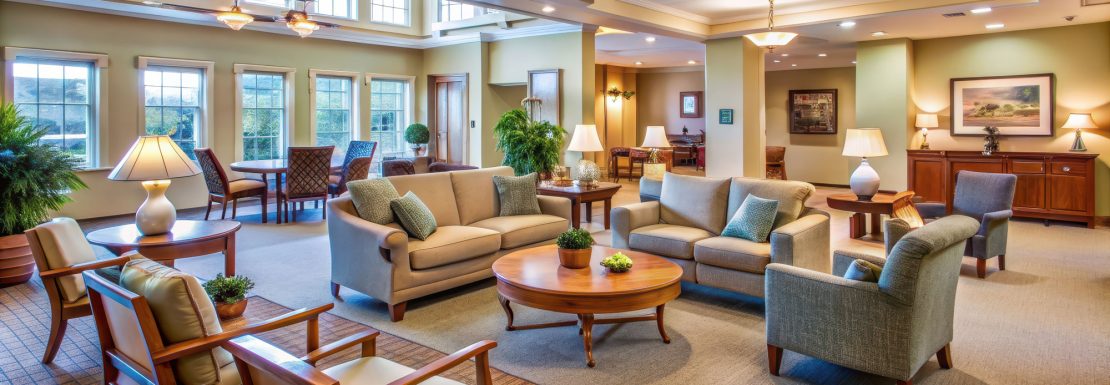
In contrast, memory care communities are purpose-built to minimize confusion and promote safety for individuals with dementia. These environments are carefully structured to reduce overstimulation, prevent wandering, and support cognitive orientation. Common design features include:
- Secured entrances and exits to prevent wandering or elopement.
- Circular floor plans that allow residents to walk without encountering dead ends, reducing frustration.
- Memory cues and visual prompts, such as photographs, color-coded hallways, or personalized room doors, to help residents recognize their surroundings.
- Soothing color schemes and lighting designed to reduce agitation and confusion.
- Enclosed outdoor courtyards that allow safe access to nature and sunlight.
- Adaptive dining areas with visual contrast on plates and tableware to encourage eating.
These design considerations are grounded in research on dementia-friendly architecture, which emphasizes simplicity, familiarity, and sensory balance. For instance, noise control is critical—too much auditory stimulation can trigger anxiety or confusion. Similarly, visual clutter can make it difficult for individuals with dementia to interpret their environment correctly. Memory care communities thus strive to create calm, predictable spaces where residents can feel secure and oriented.
Structured Routines and Therapeutic Programming
Another area where memory care differs from assisted living is the structure of daily life. In assisted living, residents typically choose how to spend their day, participating in social, recreational, or wellness activities at their discretion. While this autonomy is beneficial for many seniors, it can overwhelm individuals with dementia, who often struggle with decision-making and changes in routine.
Memory care communities address this challenge through structured daily programming designed to provide consistency and purpose. Activities are planned around the cognitive abilities and interests of residents, incorporating therapeutic elements that support memory, coordination, and emotional well-being. Examples include:
- Reminiscence therapy, which uses photographs, music, or familiar scents to stimulate long-term memories and conversation.
- Music and art therapy, which tap into preserved abilities and provide emotional expression.
- Physical activity programs, such as chair yoga, walking clubs, or dance sessions, to support mobility and reduce agitation.
- Cognitive stimulation activities, including puzzles, storytelling, and sensory engagement.
- Life skills stations, where residents can fold laundry, cook, or garden—activities that evoke familiarity and purpose.
The predictability of these routines helps reduce anxiety and confusion, while the focus on engagement combats isolation and depression. Staff members are trained to observe how each resident responds to activities and adjust programming accordingly.
Behavioral Management and Emotional Support
Behavioral changes are common in dementia, including aggression, wandering, sundowning (increased agitation in the late afternoon or evening), and repetitive questioning. Memory care communities are equipped to handle these behaviors through proactive management strategies grounded in empathy and clinical understanding.
Rather than relying heavily on medication, many memory care programs emphasize non-pharmacological interventions. For example, if a resident becomes agitated, caregivers may use redirection, offering a comforting activity or changing the environment, to de-escalate the situation. Personalized music playlists, aromatherapy, and quiet spaces are often employed to promote calmness.
Emotional support is also central to dementia care. Residents often experience fear, confusion, and loneliness as their cognitive abilities decline. Memory care staff are trained to provide reassurance, validation, and companionship. They engage residents in conversations about meaningful topics, listen attentively, and validate feelings rather than correcting inaccuracies. This validation approach fosters trust and emotional stability.
Assisted living staff, though compassionate, may not have the same level of training or resources to handle the complex emotional and behavioral challenges of dementia. As a result, individuals with advanced memory loss often fare better in environments explicitly designed for such care.
Family Involvement and Education
Families play a crucial role in the continuum of dementia care. Both assisted living and memory care communities encourage family involvement, but memory care programs typically offer additional resources to help families understand and cope with the progression of dementia.
Many communities host family education sessions that cover topics such as communication techniques, disease progression, and self-care for caregivers. Support groups provide emotional outlets and practical advice, fostering a sense of community among families facing similar challenges. Family members are also encouraged to participate in care planning and activities, strengthening connections and promoting a sense of continuity for residents.
Nutrition and Health Management
Cognitive impairment often affects appetite, swallowing, and the ability to recognize food. Residents with dementia may forget to eat, refuse meals, or have difficulty using utensils. Memory care communities address these challenges through specialized nutrition programs.
Meals are served in calm, distraction-free environments with visual cues that encourage eating—such as brightly colored plates to make food more visible. Staff provide gentle reminders or hand-over-hand assistance when necessary. Some communities use adaptive utensils and cups designed for individuals with limited motor coordination.
Hydration is also closely monitored, as dehydration can exacerbate confusion and lead to medical complications. Caregivers ensure that residents have frequent opportunities to drink fluids throughout the day. Nutrition is tailored not just to dietary needs but also to personal preferences and cultural backgrounds, reinforcing the person-centered philosophy of dementia care.
By comparison, assisted living facilities provide balanced meals and monitor nutrition but may not implement these specialized interventions unless requested. Memory care communities recognize that mealtime is both a physical and social experience that can profoundly affect well-being.
Integration of Medical and Therapeutic Services
Because dementia is both a neurological and behavioral condition, comprehensive care requires coordination between medical professionals and caregivers. Memory care communities typically integrate healthcare services more closely than assisted living settings.
On-site nurses or visiting medical practitioners monitor residents’ health, manage medications, and coordinate with specialists such as neurologists, psychiatrists, or therapists. Occupational and speech therapists may offer sessions to support daily functioning and communication. These services are designed to be seamless and accessible, reducing the stress of external appointments.
Assisted living communities may provide some medical oversight, but residents often manage appointments independently or with family assistance. For individuals with advanced dementia, this arrangement can become increasingly difficult to navigate. Memory care communities alleviate that burden by embedding medical oversight into the daily care structure.
Social Engagement and Quality of Life
One of the greatest risks for individuals with dementia is social isolation. Memory care communities combat this through targeted socialization programs that promote connection, joy, and self-expression. Group activities are designed to stimulate conversation and shared experiences while being accessible to individuals at various stages of cognitive decline.
For example, storytelling circles, music therapy sessions, and communal gardening projects encourage residents to interact and collaborate. Even small successes—remembering a song lyric, recognizing a flower, or sharing laughter—can enhance emotional well-being. Staff members facilitate these interactions with patience and empathy, ensuring that every resident feels included and valued.
Assisted living communities also offer social activities, but they are generally geared toward more independent residents. Individuals with dementia may feel excluded or overwhelmed in such environments, leading to withdrawal or anxiety. Memory care programming, by contrast, is designed with cognitive limitations in mind, fostering engagement without overstimulation.
Technological Innovations in Dementia Care
Technology has become a powerful ally in enhancing dementia care. Memory care communities increasingly use digital tools to improve safety, engagement, and health monitoring. Examples include:
- Electronic health records that track behavioral patterns and medication compliance.
- Wearable devices for fall detection and location tracking.
- Interactive touchscreens used for cognitive games or reminiscence therapy.
- Smart lighting systems that adjust automatically to reduce sundowning symptoms.
- Virtual reality experiences that allow residents to revisit familiar places or enjoy calming environments.
- Dementia clocks that help give simple information
These innovations support personalized, data-driven dementia care while giving families and caregivers better insight into their loved one’s well-being. Assisted living facilities may adopt some of these technologies, but memory care communities typically lead the way in implementing them as part of a holistic care strategy.
Regulatory and Ethical Considerations
Both assisted living and memory care facilities are subject to state and federal regulations, but the standards for memory care often include additional safety and training requirements. For example, staff in memory care must complete specific dementia education hours, and facilities must demonstrate compliance with safety measures such as secure access and emergency protocols.
Ethically, memory care communities must balance safety with autonomy. Overprotection can lead to frustration or feelings of imprisonment, while too much freedom can compromise safety.
Achieving this balance requires sensitivity and ongoing assessment. Families are encouraged to participate in ethical discussions about restraint use, end-of-life care, and resident dignity, ensuring that decisions align with personal values and best practices in dementia care.
Comparing Outcomes: Quality of Life and Well-Being
Research has shown that residents in specialized memory care communities often experience better outcomes than those in traditional assisted living when living with moderate to advanced dementia. Benefits include reduced behavioral symptoms, fewer hospitalizations, improved nutrition, and greater family satisfaction. Structured routines and therapeutic engagement contribute to emotional stability and cognitive stimulation, even as the disease progresses.
While assisted living may suffice in the early stages of dementia, the growing complexity of care eventually demands the expertise and environment found in memory care. Families who make the transition often report relief knowing their loved one is in a setting that understands the nuances of dementia care.
Conclusion
The differences between memory care communities and assisted living facilities are profound, rooted in distinct philosophies, staffing models, environmental designs, and therapeutic goals. Assisted living provides valuable support for seniors who need help with daily tasks but retain cognitive independence. Memory care, on the other hand, is specifically designed for individuals living with Alzheimer’s disease and other forms of dementia—offering structured routines, specialized staff training, secure environments, and personalized therapeutic engagement.